
Nowadays, the rapid expansion of cold chain logistics has raised extremely high requirements for temperature stability, real-time monitoring, inventory accuracy, and transportation safety across the whole supply chain. The Intelligent Cold Chain Warehousing System has become a core infrastructure that every large logistics enterprise, food factory, pharmaceutical distributor, and fresh e-commerce platform must deploy. Traditional manual cold chain management cannot meet modern standards because it relies heavily on human recording, manual inspection, and backward paper-based data statistics, which easily cause temperature deviation, cargo deterioration, inventory disorder, transportation delays, and safety accountability problems. In contrast, the Intelligent Cold Chain Warehousing System integrates IoT temperature sensors, intelligent cloud terminals, automatic data collection equipment, real-time communication modules, and big data analysis engines to form a fully automatic, intelligent, and digital working environment. It can automatically collect environmental data, record operation behaviors, monitor equipment running status, synchronize inventory information, and provide early warning for abnormal temperature, humidity, power failure, and equipment failure. With the continuous growth of cross-border cold chain trade and people’s higher requirements for food and drug safety, the importance of this system is becoming increasingly prominent. It not only improves the basic operating ability of cold chain enterprises but also supports the standardized, large-scale, and intelligent development of the entire cold chain industry.
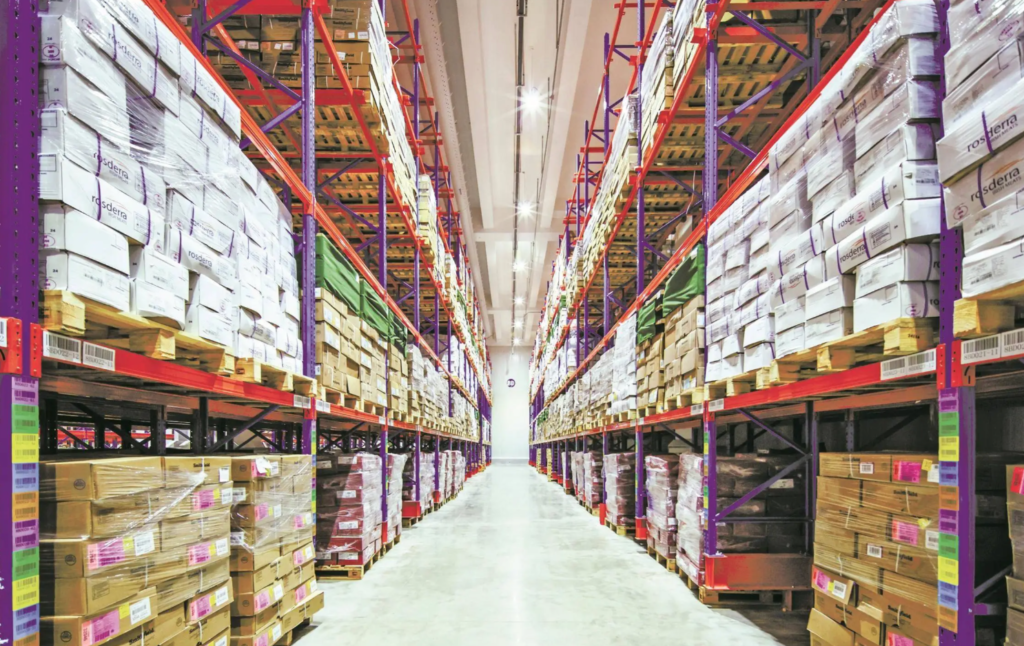
The practical application advantages of the Intelligent Cold Chain Warehousing System are reflected in many core links of cold chain logistics. First, it greatly improves the overall operational efficiency of warehousing and transportation links. All data entry, sorting, checking, recording, and scheduling processes are automatically completed by the system, which greatly reduces manual intervention and avoids human errors caused by fatigue, negligence, or irregular operation. Second, the system realizes full-life-cycle traceability of cold chain goods. Every batch of products has complete electronic records including storage time, storage location, real-time temperature curve, handling personnel, transportation vehicle information, road condition data, and arrival time. Once quality problems occur, enterprises can quickly locate the responsible link and carry out rapid disposal and recall management. Third, the system effectively reduces cargo damage rate and economic losses. Stable temperature control, real-time abnormal alarms, and intelligent route optimization ensure that all temperature-sensitive goods such as fresh food, frozen meat, vaccines, and biological reagents are always kept in a qualified low-temperature environment. In addition, the system can optimize energy consumption, reasonably arrange refrigeration equipment operation time, reduce unnecessary power consumption, and help enterprises achieve green and low-carbon logistics goals.
Looking forward to the future development of the cold chain industry, the Intelligent Cold Chain Warehousing System will continue to be deeply integrated with emerging digital technologies such as artificial intelligence, 5G communication, blockchain, and digital twins to achieve higher-level intelligent management. AI will be used to predict equipment failure in advance, automatically adjust temperature parameters, and intelligently allocate warehouse space and transportation resources. Blockchain will ensure that all cold chain data cannot be tampered with, further improving regulatory credibility and product safety traceability. 5G technology will support faster data transmission and more stable remote real-time monitoring. Although the initial deployment cost of the system is relatively high and enterprises need to train professional operation personnel, the long-term benefits including cost reduction, safety improvement, efficiency enhancement, and brand value promotion are far greater than the investment cost. In the future, all large and medium-sized cold chain enterprises will fully popularize the Intelligent Cold Chain Warehousing System, and it will become an indispensable basic support for the whole modern cold chain logistics system.